
Are you looking for a way to improve your body and overall health? Many people want to see quick results without leaving their house. This guide shows you how.
Extra weight around your middle isn’t just about looks. It’s linked to serious health concerns. Tackling this issue is important for your long-term wellness.
Our plan combines smart eating, physical activity, and positive lifestyle shifts. You can’t target just one area, but a full-body approach will help reduce overall size. This includes your midsection.
You don’t need extreme diets or hardcore workouts. Simple, proven methods can lead to amazing changes. Our advice is backed by solid research and expert knowledge.
Focus on key elements like soluble fiber, protein-rich foods, and good sleep. We will explore these in detail later. Your journey is unique, but these tips are designed for everyone.
Stay motivated and consistent. Dedication now leads to a healthier future. Let’s get started on your path to a better you!
Key Takeaways
- Belly fat is connected to important health risks, making it crucial to address.
- A complete strategy involving diet, exercise, and lifestyle is needed for success.
- Spot reduction is not possible; focus on full-body fat loss for the best outcome.
- Simple, actionable steps based on research can produce visible results from home.
- Consistency and motivation are key to achieving and maintaining your goals.
Understanding Belly Fat and Its Health Risks
Not all abdominal fat is created equal. Knowing the difference helps you understand why it matters for your wellness.
There are three main types in your midsection. Each has unique characteristics and effects on your body.
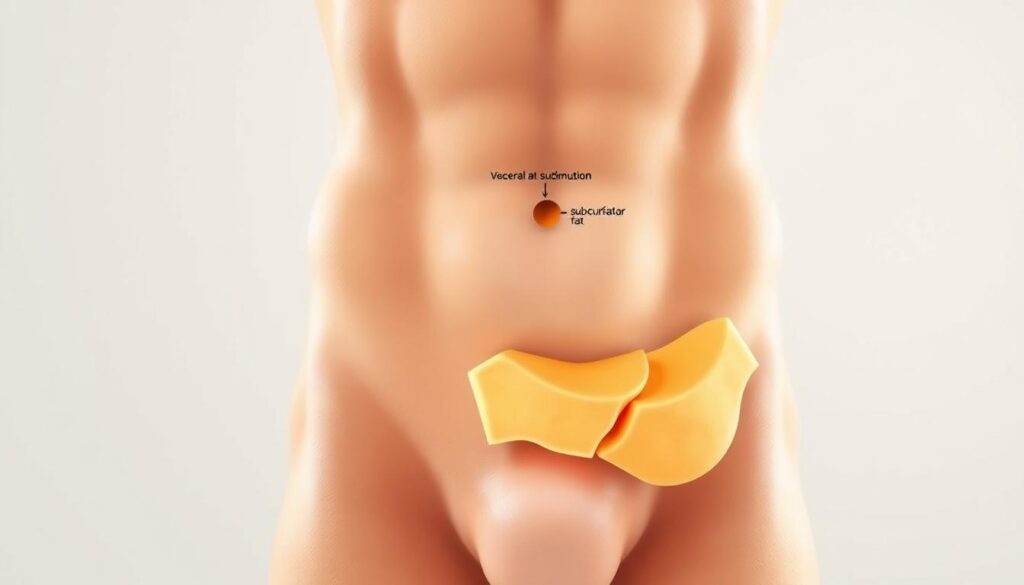
Different Types of Abdominal Fat
Subcutaneous fat lies just under your skin. You can pinch it between your fingers.
Intramuscular fat is stored within your muscle fibers. It’s less visible but still important.
Visceral fat is the deep kind that wraps around your organs. This type poses the greatest risk to your health.
Why Visceral Fat Is Particularly Dangerous
This deep fat acts almost like an independent organ. It releases hormones and inflammatory substances.
These substances can lead to insulin resistance. That’s when your cells don’t respond well to insulin.
Research shows this fat increases chronic disease risk. It’s strongly linked to heart issues and metabolic problems.
Health Conditions Linked to Excess Belly Fat
Carrying extra weight around your middle isn’t just about appearance. It’s about your long-term health.
High blood pressure and cholesterol often accompany excess abdominal fat. Type 2 diabetes risk increases significantly.
Breathing problems and heart disease are also connected. Studies confirm these relationships through extensive data.
Your BMI might be normal, but visceral fat can still cause issues. It’s why waist measurement matters too.
Understanding these risks empowers your journey. Knowledge helps you make informed choices about nutrition and activity.
Reducing this deep fat significantly improves health outcomes. That makes it worth focusing on through proper diet and exercise.
How to Lose Belly Fat Fast at Home: A Comprehensive Approach
When it comes to abdominal transformation, there’s a crucial truth you need to understand. Successful changes require more than just wishful thinking or isolated exercises. A complete strategy delivers the best outcome for your efforts.

Why Spot Reduction Doesn’t Work
Many people believe they can target specific areas for fat loss. This concept, called spot reduction, is unfortunately a myth. Your body burns stored energy from all over, not just from the area you’re exercising.
Doing endless crunches or sit-ups won’t specifically reduce abdominal fat. These exercises strengthen your core muscles, which is valuable. However, they don’t directly attack the fat covering those muscles.
Research shows that fat loss occurs uniformly across your body. When you create a calorie deficit, your body decides where it takes the fat from. You cannot control which area loses fat first or fastest.
The Importance of Combining Strategies
A holistic approach produces far better results than any single method. Combining smart nutrition, various exercises, and lifestyle adjustments creates powerful synergy. This multi-angle strategy addresses the problem from all directions.
Studies demonstrate that combining resistance training with aerobic exercise decreases visceral fat more effectively. Each component contributes something unique to your success. Together, they create a comprehensive fat-loss system.
Your strategy should include soluble fiber intake and increased protein consumption. Cardiovascular exercise and high-intensity interval training both play important roles. Strength training builds metabolism-boosting muscle, while quality sleep supports recovery.
This combination approach boosts your metabolism naturally. It helps create the calorie deficit needed for weight loss while preserving muscle mass. The result is sustainable fat reduction that improves your overall health.
Remember that consistency and patience are your greatest allies. Quick fixes rarely deliver lasting results. Embracing this as a lifestyle change ensures you maintain your achievements long-term.
Each upcoming section will explore these components in detail. You’ll learn practical ways to implement this comprehensive approach from home. Your journey to better health begins with understanding this complete strategy.
Optimize Your Diet with Soluble Fiber
Your nutrition choices play a powerful role in your wellness journey. One simple dietary change can make a significant difference in your results.
Soluble fiber offers unique benefits for your body composition. This natural component works wonders for your digestive system and overall health.
How Fiber Helps Reduce Belly Fat
Soluble fiber absorbs water in your digestive tract. It forms a gel-like substance that slows down food processing.
This process keeps you feeling full longer. You naturally consume fewer calories without constant hunger.
Research shows this type of fiber specifically targets abdominal fat. One study followed over 1,100 adults for five years.
Participants who increased soluble fiber intake saw remarkable changes. Each 10-gram daily increase correlated with 3.7% less belly fat accumulation.
This natural approach supports sustainable weight loss. It’s a proven way to reduce belly size while improving your diet quality.
Best Food Sources of Soluble Fiber
Many delicious foods contain this beneficial fiber. You don’t need special supplements or products.
Fruits like apples and berries offer excellent soluble fiber. Vegetables including carrots and Brussels sprouts are great choices too.
Legumes such as beans and lentils provide substantial amounts. Whole grains like oats and barley complete the list.
Start by adding one serving daily to your meals. Try oatmeal for breakfast or snack on fresh fruits.
Gradually increase your intake to 10-25 grams daily. This prevents digestive discomfort while maximizing benefits.
These fiber-rich foods also reduce sugar cravings. They support gut health and overall wellness.
This simple nutritional strategy fits any lifestyle. It’s an effective component of your comprehensive approach to better health.
Increase Your Protein Intake
Strategic protein intake can significantly enhance your fitness progress. This powerful nutrient supports multiple aspects of your wellness journey.
Protein works wonders for your body composition goals. It helps manage hunger while supporting muscle development.
Protein’s Role in Weight Management
Protein boosts your metabolic rate naturally. Your body uses more energy to digest protein compared to other nutrients.
This process creates a thermic effect that helps burn calories. Studies show protein increases peptide YY, a hormone that promotes fullness.
Higher protein intake reduces appetite and cravings. People feel satisfied longer, which supports calorie control.
Research demonstrates that adequate protein preserves muscle during weight loss. This ensures your body loses fat rather than valuable muscle tissue.
Multiple studies link higher protein diets to reduced abdominal fat. Participants consistently show better body composition results.
High-Protein Foods to Include Daily
Many delicious options provide quality protein for your diet. These foods are readily available and easy to prepare at home.
Excellent animal sources include chicken, turkey, and fish like salmon. Eggs and dairy products like Greek yogurt offer complete protein profiles.
Plant-based options provide fantastic alternatives too. Beans, lentils, and legumes deliver substantial protein with fiber benefits.
Aim to include protein at every meal throughout your day. Start with eggs for breakfast and add chicken to your lunch salad.
Enjoy fish or lean meat with dinner for sustained satisfaction. Moderate portions support your goals without excess calories.
Simple swaps make increasing protein intake effortless. Add beans to soups or enjoy Greek yogurt as a snack.
This approach complements your soluble fiber strategy perfectly. Together they create powerful synergy for your wellness journey.
Eliminate Harmful Fats and Sugars
Your kitchen holds the power to transform your wellness journey. Making smart choices about what you eat can accelerate your progress significantly.
Two common dietary elements work against your goals. Understanding their effects helps you make better decisions for your body.
The Danger of Trans Fats
Trans fats are artificial fats created through hydrogenation. This process makes oils more stable but less healthy.
These fats trigger inflammation throughout your system. They increase bad cholesterol while lowering good cholesterol levels.
Research shows trans fats promote insulin resistance. This condition makes it harder for your body to manage blood sugar.
Studies link these fats to increased abdominal fat storage. They’re particularly harmful for your midsection area.
Avoid products listing partially hydrogenated oils. Check ingredient labels carefully before purchasing packaged foods.
Why Sugar Contributes to Belly Fat
Sugar contains high amounts of fructose. Your liver processes this substance differently than other sugars.
Excess fructose gets converted into fat. This process particularly affects visceral fat around your organs.
Sweetened beverages are major culprits here. They deliver large sugar doses without making you feel full.
One study found daily soda drinkers gained more abdominal fat. Their waist measurements increased significantly over time.
Reducing sugar intake helps manage calorie consumption. It also supports better metabolic health overall.
Identifying Hidden Sugars in Your Diet
Many seemingly healthy foods contain added sugars. Flavored yogurts, cereals, and sauces often have surprising amounts.
Learn to recognize sugar on nutrition labels. Look for terms like high fructose corn syrup, sucrose, and dextrose.
Fruit juices concentrate natural sugars without fiber. They can affect your body similarly to sugary sodas.
Choose whole foods over processed alternatives. Prepare meals at home to control ingredients precisely.
Simple swaps make a big difference. Drink water instead of sweet beverages throughout your day.
These changes work alongside increased fiber and protein. Together they create powerful synergy for your wellness goals.
Effective Cardio Exercises for Home Workouts
Cardiovascular activities are powerful tools for transforming your body composition. These movements get your heart pumping and energy flowing right in your living space.
You don’t need fancy equipment or gym memberships. Simple aerobic movements done consistently deliver remarkable changes to your physique.
Best Aerobic Activities for Fat Burning
Many enjoyable movements torch calories effectively without equipment. Brisk walking around your neighborhood works wonders for beginners.
Jogging in place or dancing to favorite music keeps things fun. Jumping jacks and high knees get your heart rate soaring quickly.
If you have a stationary bike, use it for low-impact sessions. These activities help burn stored energy throughout your entire system.
Research shows consistent aerobic exercise reduces abdominal tissue. One study demonstrated significant decreases in waist measurements.
Finding Your Optimal Exercise Duration
Duration plays a crucial role in achieving your desired results. Studies indicate longer sessions produce more dramatic changes.
Start with thirty minutes daily if you’re new to exercise. Gradually build up to three hundred minutes weekly for maximum impact.
Postmenopausal women showed greater fat reduction with extended activity. Their commitment to longer sessions paid off visibly.
Break your sessions into manageable chunks throughout the day. Ten-minute walks after meals add up to substantial weekly totals.
Mix moderate and high-intensity intervals within your workouts. This variation keeps your metabolism elevated for hours afterward.
Cardio improves more than just your physical appearance. It boosts cardiovascular health, mood, and daily energy levels too.
Choose activities you genuinely enjoy to maintain consistency. This approach makes your fitness journey sustainable and rewarding.
Combine these movements with your nutritional strategies. Together they create powerful synergy for your wellness transformation.
High-Intensity Interval Training (HIIT) Routines
Revolutionize your fitness routine with a powerful training method. High-Intensity Interval Training delivers maximum impact in minimal time.
This approach alternates between intense bursts of movement and short recovery periods. It’s incredibly effective for improving your overall physical condition.
Basic HIIT Exercises for Beginners
You can start immediately with simple bodyweight movements. These exercises require zero equipment and minimal space.
Excellent beginner options include:
- Jumping jacks – great for full-body engagement
- Modified pushups – perfect for building upper body strength
- Burpees – fantastic for cardiovascular conditioning
- Jump squats – excellent for lower body power
- High knees – wonderful for core stability and coordination
Each movement can be adjusted to match your current fitness level. Focus on proper form rather than speed initially.
Structuring Your Home HIIT Workout
Creating an effective session follows a specific pattern. The standard approach uses thirty-second intervals.
Begin with a five-minute warm-up of light jogging or dynamic stretching. This prepares your body for the intense work ahead.
Follow this sequence:
- Perform your first exercise at maximum effort for thirty seconds
- Rest completely for thirty seconds
- Move immediately to your next exercise for thirty seconds
- Continue this pattern through your exercise circuit
Complete three to five cycles depending on your fitness level. Always finish with a cool-down period.
Research demonstrates this method’s effectiveness for weight management. Studies show participants achieve significant fitness improvements.
HIIT creates an “afterburn effect” where your body continues to burn calories post-workout. This metabolic boost supports your overall goals.
Start with twenty-minute sessions three times weekly. Gradually increase intensity as your conditioning improves.
This training style fits perfectly into busy schedules. You achieve substantial results without spending hours exercising.
Always listen to your body and maintain proper form. Consult a healthcare professional before beginning any new exercise program.
Combine HIIT with your cardio and strength sessions for comprehensive results. This powerful combination accelerates your journey toward better health.
Strength Training to Build Metabolism-Boosting Muscle
Your muscles hold the key to boosting your metabolism naturally. This powerful approach complements your nutrition and cardio efforts perfectly.
Resistance work builds lean tissue that transforms your body from within. It’s a game-changer for sustainable results.
Essential Weight Training Exercises
You can build an effective routine with simple movements. These exercises require minimal equipment and space.
Excellent choices for home workouts include:
- Squats – fantastic for lower body development
- Lunges – perfect for balance and leg strength
- Pushups – excellent for upper body conditioning
- Planks – wonderful for core stability
- Glute bridges – great for posterior chain activation
If you have dumbbells, add bicep curls and tricep exercises. Otherwise, use water bottles or resistance bands.
How Muscle Mass Helps Burn Fat
Muscle tissue is metabolically active around the clock. It consumes energy even when you’re resting.
This means more muscle equals higher daily calorie expenditure. Your body becomes a more efficient fat-burning machine.
Research shows resistance training specifically reduces visceral fat. One study demonstrated significant decreases in abdominal measurements.
Participants with prediabetes showed remarkable improvements. Their insulin sensitivity increased alongside muscle growth.
Begin with light weights or bodyweight movements initially. Aim for two to three sets of twelve to fifteen repetitions.
Focus on compound exercises that work multiple muscle groups. This approach delivers maximum efficiency for your time.
Incorporate strength sessions two to three times weekly. Allow rest days for muscle recovery and growth.
Remember that consistency brings the best results. Each session contributes to your long-term success.
This training approach improves posture and overall strength too. You’ll feel more confident as you progress.
Combine strength work with your cardio and nutrition strategies. Together they create powerful synergy for your goals.
Core-Strengthening Exercises for Toning
A strong core foundation transforms how you move and feel every day. These exercises build stability while creating a more defined midsection appearance.
While they don’t directly target abdominal fat, they strengthen underlying muscles. This creates a firmer look as overall weight loss occurs.
Your core includes more than just abdominal muscles. It involves your entire trunk area from shoulders to hips.
Strengthening this area improves posture and daily movement. It also supports other physical activity by providing stability.
Effective Abdominal Workouts Without Equipment
You need zero equipment to build impressive core strength. These movements use your body weight for resistance.
Excellent choices include:
- Planks – Hold for 20-60 seconds to engage entire core
- Bicycle crunches – Twist to work oblique muscles
- Leg raises – Lift legs slowly while keeping back flat
- Scissor kicks – Alternate leg movements while engaging abs
- Mountain climbers – Dynamic movement that also boosts heart rate
These activities target different muscle groups within your core. They work together for comprehensive development.
Mountain climbers provide extra cardiovascular benefits. They help burn calories while strengthening your midsection.
Proper Form for Maximum Results
Correct technique prevents injury and ensures effectiveness. It makes each movement count toward your goals.
For planks, keep your body perfectly straight. Tuck your pelvis slightly to protect your lower back.
During crunches, avoid pulling on your neck. Focus on using abdominal muscles to lift your shoulders.
Leg raises require keeping your back pressed firmly down. This prevents strain while isolating the correct muscles.
Beginners should start with shorter durations and fewer repetitions. Gradually increase as your strength improves.
Most people benefit from 2-3 sets of 10-15 reps per exercise. Allow rest between sets for recovery.
Proper form ensures you work the intended muscles effectively. It also makes these exercises safe for home practice.
Incorporate core work 3-4 times weekly into your routine. Combine it with cardio and strength training for best results.
While these exercises don’t spot-reduce belly fat, they create a strong foundation. This supports overall fitness and contributes to a toned appearance.
Strong core muscles improve posture and daily movement quality. They make other exercise more effective and enjoyable.
Remember that consistency brings the best outcomes over time. Each session moves you closer to your fitness goals.
This approach fits perfectly into your comprehensive wellness strategy. It enhances your journey toward better health and confidence.
Lifestyle Modifications That Support Fat Loss
Your daily habits play a crucial role in achieving your wellness goals. Small changes to your routine can significantly enhance your progress and results.
Two key areas deserve special attention for their impact on body composition. Managing stress levels and moderating alcohol intake both contribute to better outcomes.
These adjustments work alongside your nutrition and exercise efforts. Together they create a powerful foundation for sustainable transformation.
Managing Stress to Control Cortisol
Stress triggers your body to produce cortisol. This hormone directly influences where your body stores excess weight.
High cortisol levels promote fat accumulation around your midsection. It also increases cravings for sugary and high-calorie foods.
Research shows chronic stress correlates with larger waist measurements. Studies involving thousands of participants confirm this relationship.
Effective stress management techniques include:
- Daily meditation or deep breathing exercises
- Regular yoga practice for mind-body connection
- Engaging hobbies that bring joy and relaxation
- Short walks in nature to decompress
These activities help lower cortisol levels naturally. They support your overall health while aiding weight management.
Even small changes make a big difference over time. Consistent stress reduction contributes to better body composition.
The Impact of Alcohol on Belly Fat
Alcoholic beverages provide empty calories with little nutritional value. They can significantly impact your abdominal area.
Alcohol reduces inhibitions around food choices. This often leads to overeating and poor dietary decisions.
Research links excessive alcohol consumption to visceral fat accumulation. Studies show heavy drinkers typically have larger waist sizes.
Moderate alcohol guidelines recommend:
- One drink per day for women
- Two drinks per day for men
Healthier alternatives include:
- Sparkling water with fresh lemon
- Herbal teas with natural flavors
- Infused water with fruits and herbs
These swaps reduce calorie intake while eliminating added sugar. They support your overall dietary goals.
Moderation is key for long-term success. Small changes in drinking habits yield significant results.
These lifestyle modifications enhance your comprehensive approach. They address underlying factors that influence body composition.
Remember that consistency brings the best outcomes. Each positive choice moves you closer to your wellness goals.
The Critical Role of Quality Sleep
Your nightly rest plays a surprisingly powerful role in your wellness transformation. Many people overlook this essential component when focusing on their fitness goals.
Quality slumber supports your entire body in remarkable ways. It regulates hormones, repairs tissues, and recharges your energy systems.
Research consistently shows strong connections between sleep patterns and physical composition. This makes proper rest equally important as nutrition and activity.
How Sleep Deprivation Affects Weight
Insufficient rest disrupts two crucial hunger hormones. Leptin decreases while ghrelin increases, making you feel hungrier.
This hormonal imbalance leads to stronger cravings for high-calorie foods. You naturally consume more calories without realizing it.
Studies demonstrate that sleep deprivation promotes fat storage, particularly around the midsection. One sixteen-year study followed women’s sleep habits and weight changes.
Participants sleeping fewer than five hours nightly showed significant weight gain compared to those getting seven or more hours. Their risk of obesity increased substantially over time.
Sleep apnea presents additional challenges for many individuals. This condition interrupts breathing during rest, reducing sleep quality.
Research links sleep apnea to excess visceral fat accumulation. Addressing this condition can directly improve fat loss efforts.
Creating Healthy Sleep Habits
Establishing consistent routines transforms your sleep quality dramatically. Your body thrives on predictable patterns and schedules.
Try these effective strategies for better rest:
- Set a regular bedtime and wake-up time, even on weekends
- Create a dark, cool, and quiet sleeping environment
- Avoid screens and electronic devices for one hour before bed
- Limit caffeine consumption after midday
- Develop relaxing pre-sleep rituals like reading or gentle stretching
Aim for at least seven hours of uninterrupted sleep each night. This duration supports optimal metabolism and recovery processes.
These habits work alongside your nutritional and exercise efforts. They create powerful synergy for your wellness journey.
Quality slumber helps regulate stress levels and energy throughout your day. It’s a fundamental pillar of your comprehensive lifestyle approach.
Remember that better sleep is an achievable goal for everyone. Small changes yield significant results over time.
Prioritizing rest complements your other strategies beautifully. It completes your holistic approach to wellness and body composition.
Tracking Progress and Maintaining Motivation
Your journey toward better wellness deserves careful attention and celebration. Monitoring your advancement keeps you inspired while ensuring you stay on the right path.
Seeing tangible results fuels your determination to continue. This process turns your efforts into visible achievements worth celebrating.
Effective tracking methods provide clear insights into your daily habits. They transform abstract goals into measurable milestones.
Research consistently shows that self-monitoring significantly improves outcomes. Participants who track their progress achieve better results than those who don’t.
Effective Ways to Monitor Your Journey
Modern tools make tracking simpler than ever before. Digital apps offer convenient solutions for busy lifestyles.
Food diaries help you understand your nutritional patterns. They reveal connections between what you eat and how you feel.
Popular applications like MyFitnessPal simplify calorie counting. They also track macronutrients and exercise routines effortlessly.
These tools increase awareness of your daily choices. They create accountability that supports consistent progress.
Wearable fitness trackers monitor your physical activity throughout the day. They provide real-time feedback on your movement patterns.
Weekly waist measurements offer concrete evidence of changes. This method specifically tracks abdominal transformation.
Regular monitoring helps identify patterns that might hinder progress. You might notice increased snacking during stressful periods.
This awareness allows for timely adjustments to your strategy. Small changes can make significant differences over time.
Setting Realistic Expectations and Goals
Sustainable transformation requires patience and practical thinking. Quick fixes often lead to disappointment and frustration.
Aim for gradual weight reduction of one to two pounds weekly. This pace supports long-term success without extreme measures.
Focus on non-scale victories that reflect true progress. Improved energy levels and better-fitting clothes indicate real change.
Break large objectives into smaller, achievable milestones. Celebrate each accomplishment along your journey.
Research demonstrates that realistic goal-setting improves adherence. Participants with practical expectations show higher success rates.
Remember that consistency matters more than perfection. Even small, consistent efforts yield significant results over time.
Seek support from friends or online communities when motivation wanes. Sharing experiences creates encouragement and accountability.
Regularly revisit your goals to maintain focus and direction. Adjust them as needed based on your progress and learning.
Your comprehensive approach combines tracking with all other strategies. This integration creates personalized momentum for lasting results.
Conclusion: Your Path to Sustainable Results
Your path to better health combines smart nutrition, regular movement, and positive lifestyle adjustments. This comprehensive approach delivers lasting results that improve your overall wellness.
Remember that consistency matters more than perfection. Small, daily choices create significant changes over time. These sustainable habits support your long-term goals.
Reducing abdominal tissue decreases health risks while boosting confidence. Your unique journey deserves celebration at every milestone.
Start with one change today and build momentum gradually. Consult your healthcare provider for personalized guidance on your wellness transformation.
FAQ
Can I really target just my abdominal area for weight loss?
Unfortunately, spot reduction is a myth. Your body loses weight overall, not from one specific area. A combination of cardio, strength training, and a healthy diet is the most effective way to reduce overall body fat, including around your midsection.
What are the best foods to eat to help reduce visceral fat?
A> Focus on foods rich in soluble fiber like oats, apples, and beans, and lean protein sources like chicken, fish, and Greek yogurt. These foods help you feel full longer and support a healthy metabolism. It’s also crucial to limit sugary drinks and processed snacks.
How much exercise do I need to do each week to see results?
Most health experts recommend at least 150 minutes of moderate aerobic activity or 75 minutes of vigorous activity each week, along with two days of strength training. This combination helps you burn calories and build muscle, which boosts your metabolism even at rest.
Why is sleep so important for managing weight?
Poor sleep disrupts important hormones that regulate appetite. When you’re sleep-deprived, your level of ghrelin (the hunger hormone) goes up, and leptin (the fullness hormone) goes down, making you more likely to overeat. Aim for 7-9 hours of quality sleep per night.
Are there any quick exercises I can do at home without equipment?
Absolutely! Bodyweight exercises are incredibly effective. Try a circuit of jumping jacks, high knees, push-ups, squats, and planks. High-Intensity Interval Training (HIIT) routines that mix short bursts of intense activity with rest periods are also great for burning calories in a short amount of time.
How does stress contribute to belly fat?
When you’re stressed, your body produces more cortisol, a hormone that can increase appetite and drive the storage of excess fat, particularly in the abdominal area. Managing stress through activities like walking, meditation, or deep breathing can make a big difference.